
01 / CARE
Walk the same route each time.
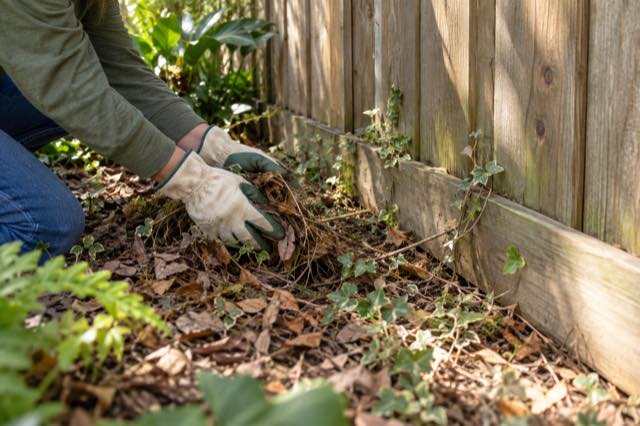
Observe panels, boards, rails, posts and the lower edge from accessible areas. Note new damage, loose pieces, leaning, gaps or vegetation pressing against the fence. Use consistent photo viewpoints if you want a useful record of change.
After an impact or significant weather event, look from a safe position and keep clear of unstable sections. A visual walk-through is not a structural inspection. Arrange a qualified assessment when the fence or gate appears unsafe or has changed significantly.
02 / CARE
Give gates a separate check.
Observe normal opening, closing and latching without forcing the leaf. Note dragging, resistance, unusual movement or hardware that does not operate as intended. Check that stored items and planting have not obstructed the approach or swing area.
A gate used as part of a pool barrier or another safety-related enclosure needs the operation required for that use. Treat a failure to secure as a prompt for qualified attention and appropriate access control, not something to defer until a routine cosmetic cleanup.
03 / CARE
Match cleaning and care to the product.
Find the manufacturer’s guidance before using cleaners, coatings or powered washing equipment. A method suitable for one material or finish may be unsuitable for another. When instructions are unclear, ask the product provider instead of escalating the treatment.
Keep a brief record of the date, observed issue, action and product used. Save invoices and replacement-part information. Those details can help a repair provider and support a more accurate conversation about any written warranty coverage.
MAKE IT USEFUL
Your fence walk-around.
Select the details you want to discuss with our team. Keep a copy for your project notes.
One more thing.
Is a pressure washer the easiest maintenance shortcut?
Do not assume it is appropriate. Check the specific material and finish instructions, including any limits on equipment or cleaning products, before deciding how to clean the fence.