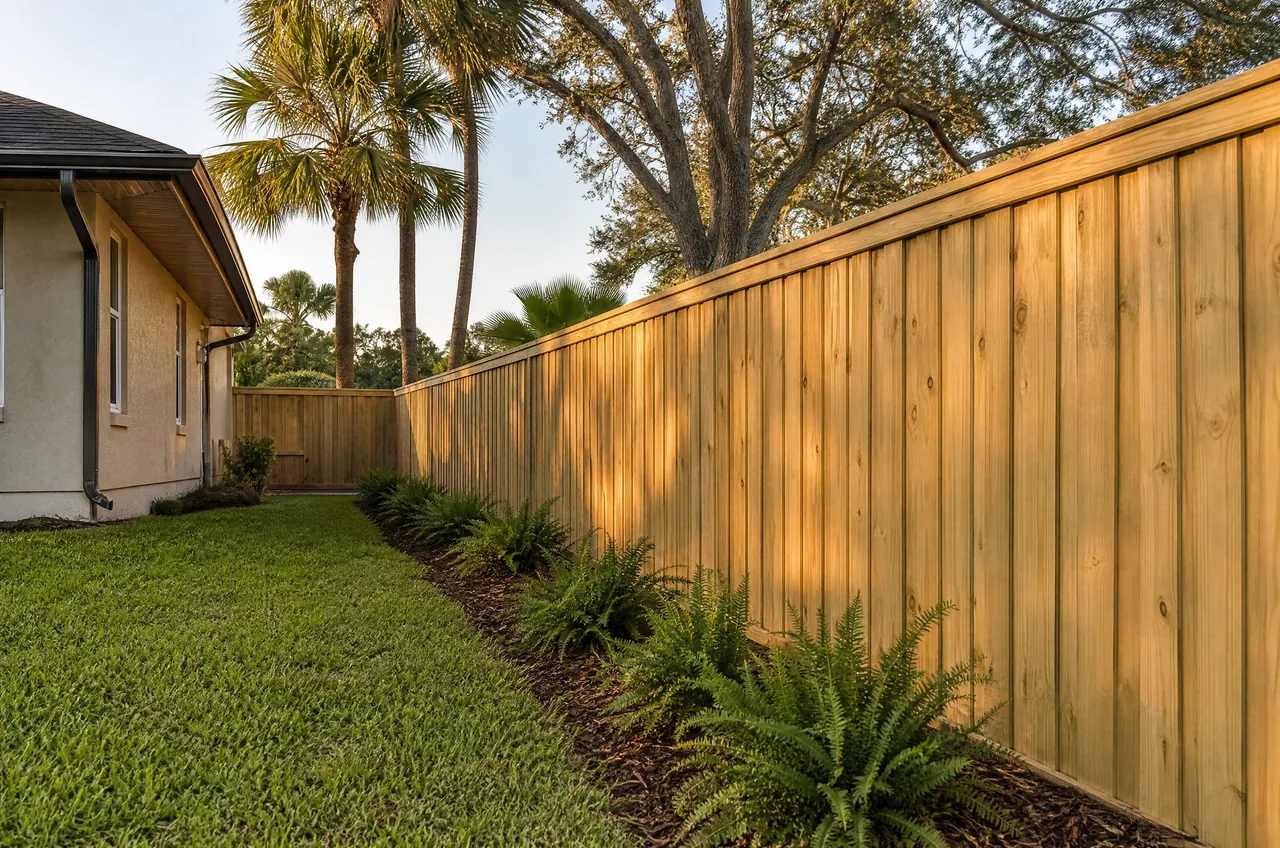
Wood Fence Installation in Port St. Lucie, FL
Wood gives you natural warmth and the lowest cost per foot for a full privacy fence. We install pressure-treated pine and cedar in board-on-board, shadowbox and picket styles.
- Free on-site estimates
- Permits handled for you
- Vinyl, wood, aluminum & chain link
- Free on-site estimates
- We handle the permit
- Old fence removal & cleanup
- Vinyl · Wood · Aluminum · Chain link
Is a Wood Fence Right for Your Yard?
Wood is still a great value when you want 6 ft of privacy on a budget, or a natural look that vinyl can't match. In Florida's climate, wood needs sealing or staining every couple of years to slow graying, cracking and rot — we'll tell you exactly what to expect.
- Pressure-treated pine is the most common and affordable choice. We use ground-contact rated posts for our wet, sandy soil.
- Cedar costs more but naturally resists insects and decay and has a richer color.
- Great for large backyards, budget privacy and homeowners who love a natural finish.
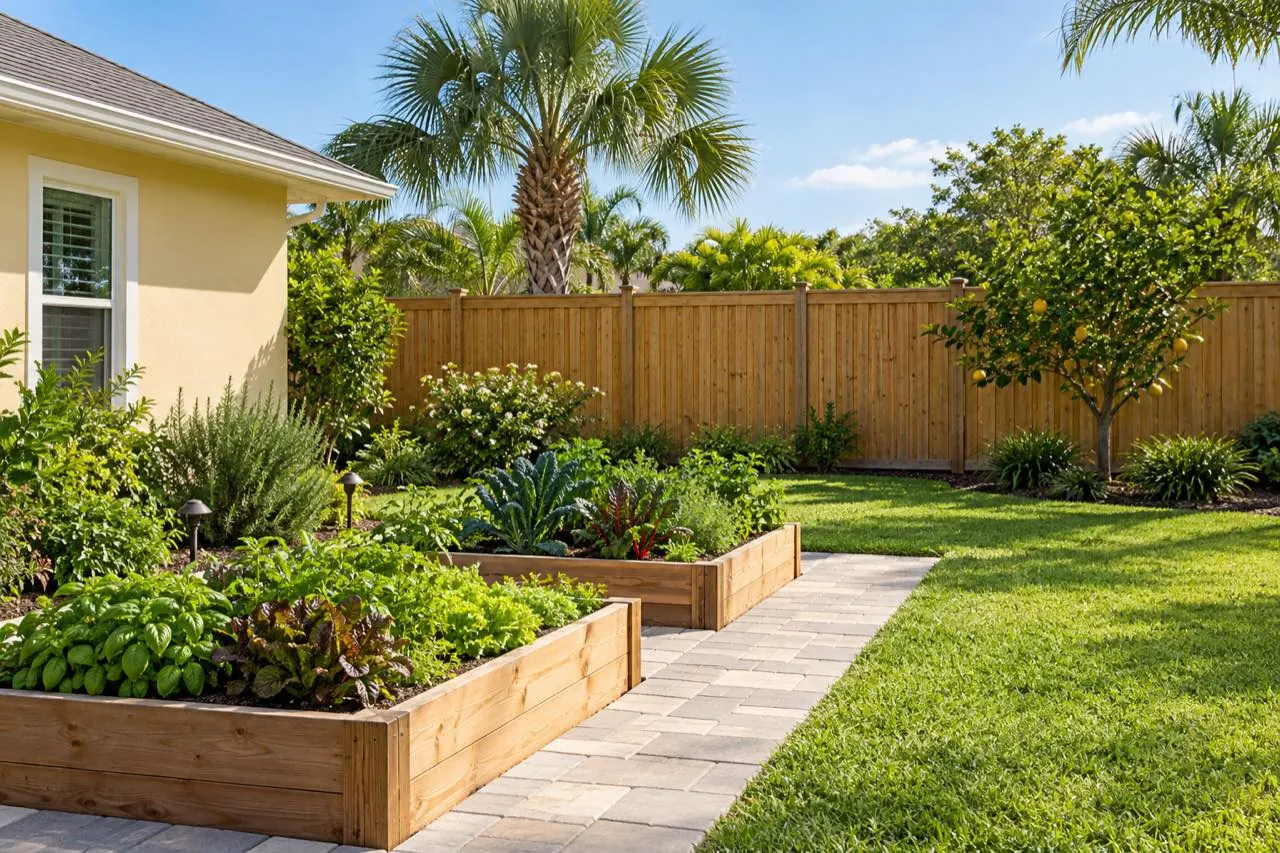
Wood Fence Styles We Build
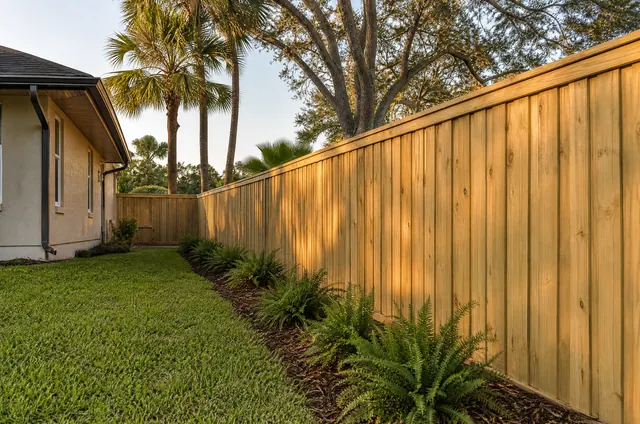
Board-on-Board Privacy
Overlapping boards leave no gaps, even as the wood shrinks over time.
Get an estimate →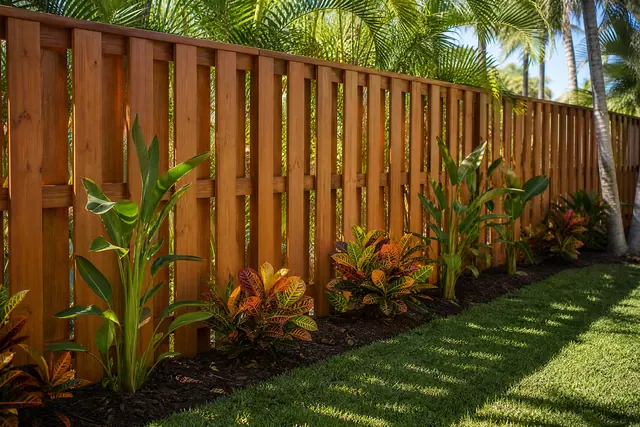
Shadowbox Fence
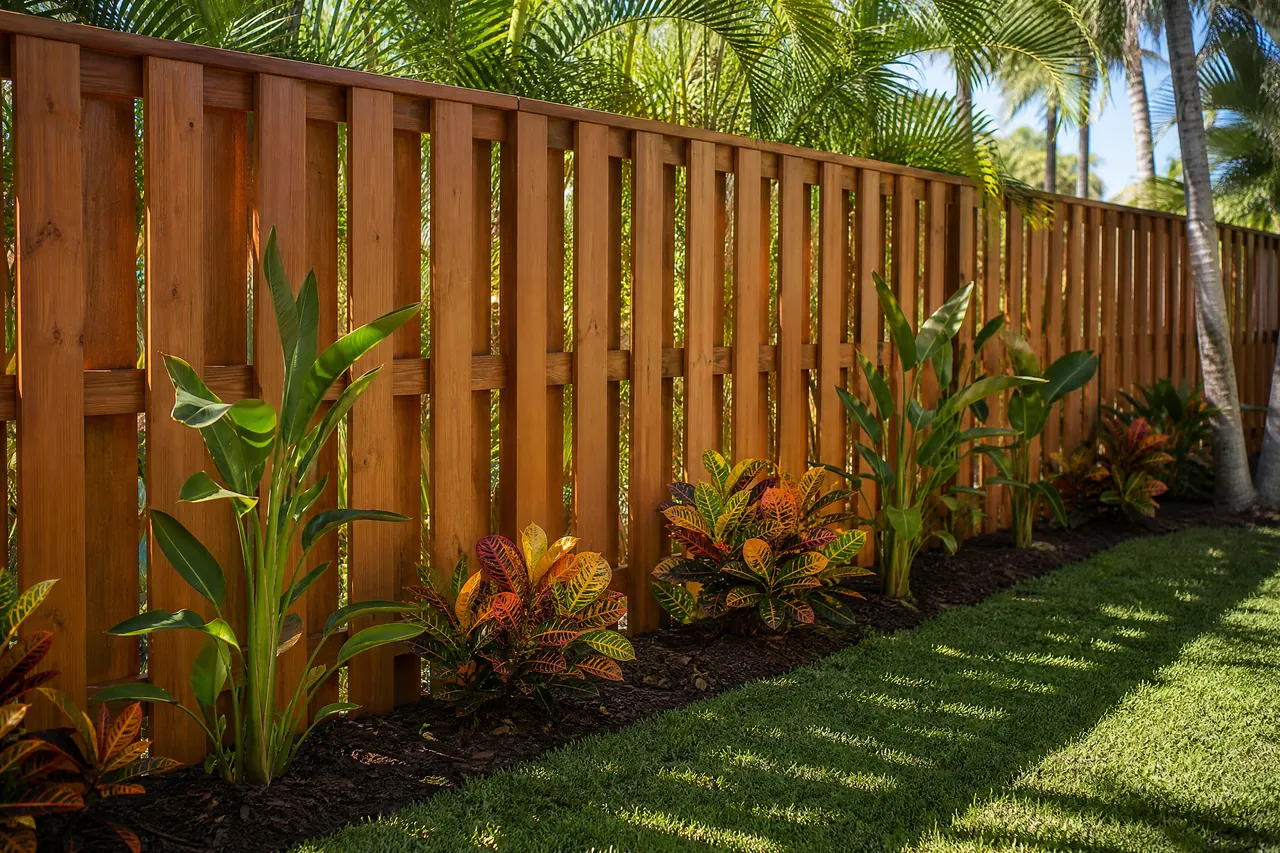
Boards alternate on each side of the rail, so it looks finished from both yards.
Get an estimate →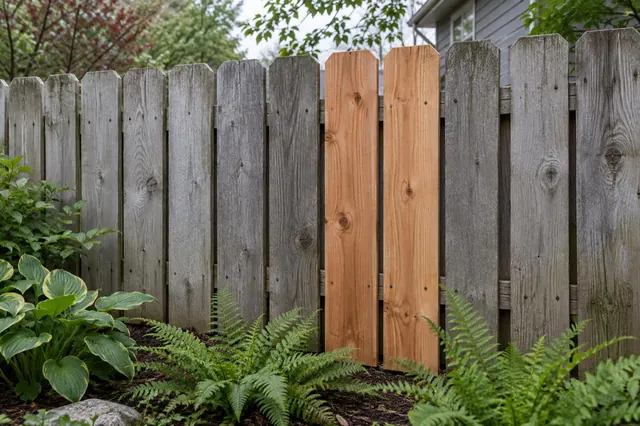
Wood Picket Fence
A shorter, open fence for front yards and gardens with a classic look.
Get an estimate →How Much Does a Wood Fence Cost in Port St. Lucie?
Wood is usually the most affordable way to get a full privacy fence.
Every yard is different. Your free on-site estimate gives you an exact, written price. See our fence cost guide for more detail.
Making Your Wood Fence Last in Florida
- Seal or stain early. Once new pressure-treated wood dries out (often a few months), a water-repellent sealer or stain protects it. Repeat every 2–3 years.
- Keep sprinklers off the fence. Daily irrigation spray is one of the fastest ways to rot boards and posts.
- Strong posts. Posts fail first, so we set them in concrete with ground-contact lumber.
- Trim vegetation. Vines and shrubs against the boards hold moisture.
We handle the city permit on every wood fence — see the permit guide. Weighing your options? Read vinyl vs. wood. Have an old wood fence that's failing? We also do repairs and replacements.
Pine or Cedar: Which Wood Is Right for You?
Most wood fences in Port St. Lucie are built from one of two materials:
- Pressure-treated pine is chemically treated to resist rot and insects and is the most affordable option. Its color starts green or tan and weathers to silver-gray unless you stain it.
- Cedar has natural oils that resist decay and insects, a richer color and less tendency to warp. It costs more, and it still benefits from a sealer in our humidity.
Whichever boards you choose, we use pressure-treated posts rated for ground contact, because the posts sit in damp, sandy soil and are always the first part of a wood fence to fail. Fasteners are galvanized or stainless so they don't streak the boards with rust.
Wood Fence Styles, Explained
Board-on-board
Boards overlap on alternating sides of the rails, so there are no see-through gaps even after the wood dries and shrinks. It's the best wood option for full privacy around a patio or pool.
Shadowbox
Boards alternate on each side with a small gap, so the fence looks finished from both yards and lets air move through. It's a good neighbor fence and handles wind better than a solid wall of boards.
Stockade and side-by-side
Boards butt up against each other in a single layer. It's the most economical privacy style, though small gaps open up as the wood dries.
Picket
Shorter, spaced pickets for front yards and gardens. Front-yard fences have to follow the city's setback rules, which we handle when we lay out your fence.
Caps and trim
A top cap and trim board shed rain off the end grain of the boards and give the fence a finished, custom look. On a wood fence in Florida, it's one of the best small upgrades you can make.
How We Build a Wood Fence That Lasts
A wood fence lives or dies by what you can't see. Here's what goes into ours.
Layout from your survey
We stake the fence line from your survey and keep it clear of easements and swales.
Ground-contact posts in concrete
Posts are set in concrete footings, with the top of the concrete shaped to shed water away from the wood.
Straight rails and boards
Rails go on level and boards are spaced and fastened with corrosion-resistant hardware.
Gates built not to sag
Wide gates get heavy-duty hinges and an anti-sag kit, hung on reinforced posts.
Finish and cleanup
We walk the fence with you, explain when to seal it, and clean up the job site.
Frequently Asked Questions
How long does a wood fence last in Port St. Lucie?
A well-built pressure-treated pine fence commonly lasts around 10–15 years here with regular sealing; cedar can last longer. Fences that are never sealed, or get hit by sprinklers every day, fail much sooner.
Is wood cheaper than vinyl?
Usually yes, up front. Over 15–20 years, staining, repairs and earlier replacement can narrow that gap, which is why many Port St. Lucie homeowners go with vinyl.
Can I stain my new wood fence right away?
Pressure-treated wood is often too wet to absorb stain at first. Sprinkle water on it: if it soaks in, it's ready.
Does my HOA allow wood fences?
Some Port St. Lucie HOAs allow wood, others require vinyl or aluminum. We'll check your community's guidelines with you at the estimate.
Should I choose board-on-board or shadowbox?
Choose board-on-board if you want complete privacy with no gaps. Choose shadowbox if you want a fence that looks good from both sides and lets the breeze through, which many neighbors appreciate.
What color will my pressure-treated fence be?
New pressure-treated pine is usually light green or tan and weathers to gray over the first year. Once it dries out, you can stain it any color you like.
Do termites attack wood fences in Florida?
Yes, termites and rot are the main enemies of wood fences here. Pressure-treated lumber and ground-contact posts resist them, and keeping soil and mulch from piling against the boards helps a lot.
Wood Fence Installation Across Port St. Lucie
Get Your Free Wood Fence Estimate
Call now or request your free on-site estimate. No cost, no obligation.